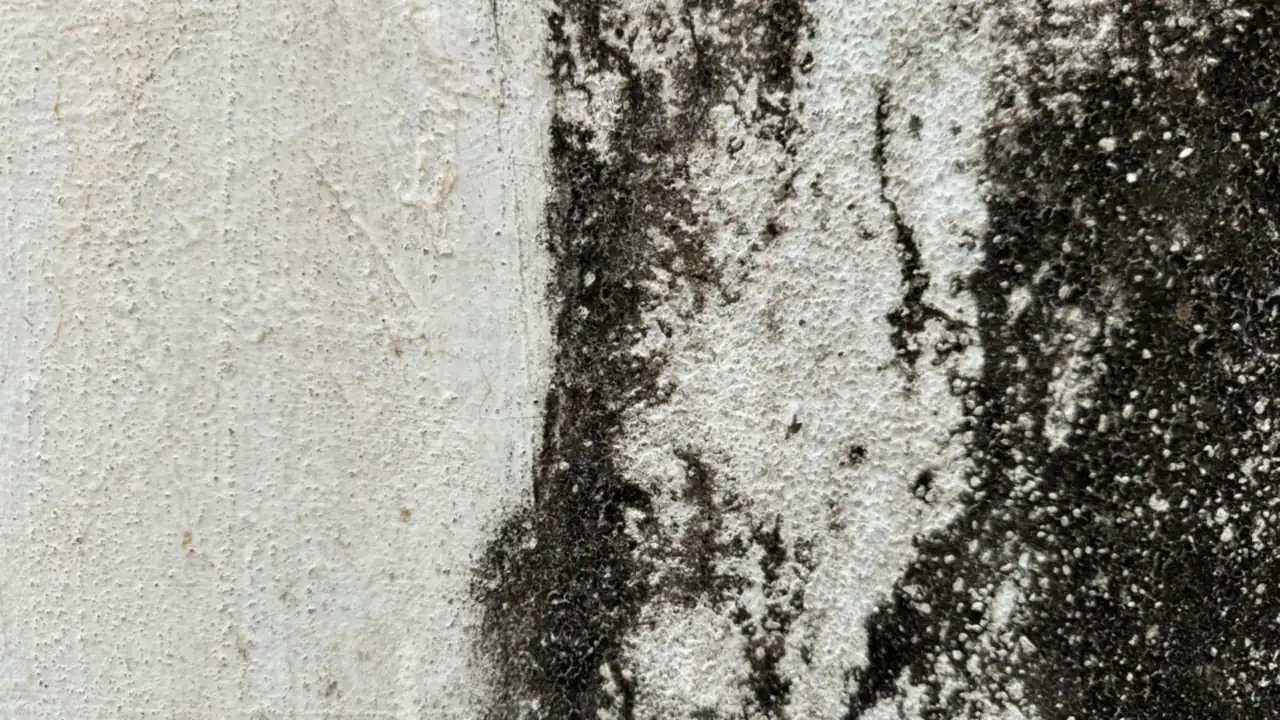
Mold Remediation After Water Damage in Rocky Mount, NC
Mold remediation in Rocky Mount, NC only works when the moisture problem is fixed too. In Eastern Carolina's heat and humidity, mold grows fast on wet crawl space joists, attic sheathing, drywall behind leaks and around sweating AC ducts. Our crew contains the area, removes contaminated materials, cleans what can be saved and dries the structure so mold does not come back.
Why Mold Grows So Fast in Rocky Mount Homes
Mold needs three things: moisture, food and mild temperatures. Rocky Mount supplies all three for much of the year. Summers are long, hot and humid, and the air outside often carries more moisture than the air inside an air-conditioned home. Every surface that runs cooler than that air, like ductwork, joists in a vented crawl space or the back of an exterior wall, can collect condensation.
Add the way local homes are built and you get plenty of hiding spots. Most houses sit on vented crawl spaces where humid air meets cool wood. Many have air handlers and ductwork in hot attics, where a clogged condensate line can soak insulation for weeks before anyone notices a stain. And after hurricanes and floods, homes often sit closed up without power for days, giving mold time to spread.
The result is that mold in Rocky Mount is rarely just a surface problem. It is almost always a moisture problem first, which is why our work starts by finding and fixing the water.
Where We Find Mold in Rocky Mount Homes
- Crawl space joists, sill plates and the underside of the subfloor
- Attic sheathing, especially near bathroom fans that vent into the attic instead of outside
- Behind drywall near old leaks from tubs, showers, toilets and sinks
- Inside kitchen and bathroom sink cabinets
- Around HVAC closets, air handlers and supply registers that sweat in summer
- Behind furniture and in closets on exterior walls, where air does not move
- Around window sills where condensation collects
- In homes that sat closed up with no power after a hurricane or evacuation
Do I Need Professional Mold Remediation in Rocky Mount?
Short answer: if the mold covers more than about 10 square feet, is inside walls, ductwork or the crawl space, follows sewage or flood water, or anyone in the home has asthma or a weakened immune system, call a professional. The EPA notes that small areas under about 10 square feet can often be cleaned by homeowners, but larger or hidden growth needs containment and the moisture source fixed.
Our Mold Remediation Process in Rocky Mount
Inspect and find the moisture. We look for visible growth, use moisture meters and thermal imaging to find wet materials, and identify the water source.
Contain the area. Plastic barriers and zipper doors seal off the work zone, and negative air machines with HEPA filters keep spores from drifting into clean rooms.
Remove contaminated materials. Moldy drywall, insulation, carpet and other porous materials are cut out, bagged and removed.
Clean what can be saved. Framing, joists and subfloor are HEPA-vacuumed, scrubbed and, when needed, sanded to remove surface growth.
Treat. An EPA-registered antimicrobial is applied to cleaned surfaces.
Dry and fix the cause. Dehumidifiers bring materials back to normal moisture levels, and we address the leak, condensation or humidity that started the problem.
Verify and rebuild. We confirm moisture readings, remove containment and rebuild walls, insulation and floors.
Mold Testing in Rocky Mount: When It Helps and When It Does Not
If you can see mold, you do not need a test to know it needs to be removed. Testing is most useful when:
- You smell mold but cannot find it, and you suspect it is hidden inside walls, ductwork or the crawl space
- Someone in the home has health concerns and their doctor wants more information
- You are buying or selling a home and need documentation
- You want independent clearance testing after remediation to confirm the job is done
For clearance testing, we recommend an independent third-party tester so the results are unbiased. We will coordinate access and share our moisture readings with them.
Crawl Space Mold in Rocky Mount Homes
The crawl space is the most common place we find mold in Rocky Mount homes. It usually shows up as white, fuzzy growth or dark spotting on floor joists, the underside of the subfloor and sill plates. Sometimes it is caused by a plumbing leak; more often it is the slow work of humid summer air flowing through foundation vents and condensing on cooler wood and ductwork.
Remediating a crawl space means cleaning the affected framing, removing contaminated insulation, treating the wood and then fixing the conditions that let mold grow. That might mean closing vents during humid months, laying a sealed vapor barrier, adding a crawl space dehumidifier or correcting drainage around the house. Without that last step, crawl space mold almost always comes back.
How to Prevent Mold After a Leak in Rocky Mount
- Keep indoor humidity between about 30 and 50 percent; a simple hygrometer helps you track it.
- Have your AC serviced every spring and keep the condensate line clear.
- Make sure bathroom fans vent outside, not into the attic.
- Run a dehumidifier in the crawl space or consider a sealed vapor barrier if humidity stays high.
- Keep gutters clean and downspouts extended away from the house.
- Fix leaks the day you find them, and call for drying if water soaked into walls, floors or insulation.
- Leave a little space between furniture and exterior walls so air can circulate.
Mold and Your Family's Health in Rocky Mount's Humid Climate
Mold can trigger allergy symptoms, irritate the eyes, nose and throat and make asthma worse, especially in children, older adults and people with weakened immune systems. We are a restoration crew, not doctors, so if anyone in your home has symptoms they think are linked to mold, talk to a healthcare provider. What we can do is remove the mold safely, keep spores contained during the work and leave your home dry enough that it does not return.
Related Services in Rocky Mount
- Crawl Space Water Damage Cleanup
- Crawl Space Moisture Control
- AC & HVAC Water Damage
- Roof Leak & Ceiling Water Damage
- Structural Drying & Dehumidification
- Water Damage Repair & Rebuild
Mold Remediation in Rocky Mount, NC at a Glance
Short answer: mold remediation removes mold safely and fixes the moisture behind it. It includes containment, HEPA air filtration, removal of affected porous materials, cleaning of framing and drying. In Rocky Mount's humid climate, crawl spaces, attics and AC areas are the most common trouble spots.
- Small patches: the EPA says many homeowners can clean areas under about 10 square feet.
- Larger growth or health concerns: call a professional.
- Never paint over mold; it grows through.
- Humidity: keep indoor humidity under 50 percent, even in summer.
- Testing: useful when you smell mold but cannot see it.
Water Damage Rocky Mount starts every mold job by finding the moisture. For crawl space causes, see our crawl space moisture control page.
Mold on Furniture and Belongings in Humid Rocky Mount Summers
In Rocky Mount's long, humid summers, mold does not only grow on walls and framing. It can show up on belongings, especially in closed rooms, closets and storage spaces.
- Leather shoes, belts and bags in closets often show white or green spots first.
- Upholstered furniture in damp rooms can grow mold on the underside and back.
- Books, papers and photos stored in boxes absorb moisture and spot.
- Mattresses against outside walls can grow mold where air does not move.
- Keeping indoor humidity below 50 percent and letting air circulate prevents most of this.
Water Damage Rocky Mount can help sort what can be cleaned and what should go after a mold problem. contents pack-out
Mold Remediation FAQs for Rocky Mount, NC
The mold questions Rocky Mount homeowners ask us most.
Will bleach kill mold on wood and drywall?
Bleach can lighten mold on hard, non-porous surfaces, but it does not soak into drywall, wood or insulation where mold roots grow, and the water in bleach can feed regrowth. On porous materials, removal and proper cleaning work better. Never mix bleach with ammonia or other cleaners.
Can I stay in my home during mold remediation?
Usually, yes. Containment and negative air keep the work area sealed off from the rest of the house. Crawl space jobs happen under the floor and rarely affect daily life. Anyone with asthma, allergies or a weakened immune system should talk to their doctor about whether to stay elsewhere during the work.
Does homeowners insurance cover mold in North Carolina?
Coverage often depends on the cause. Mold resulting from a sudden, covered water loss, like a burst pipe, may be included, sometimes with a limit. Mold from long-term leaks, humidity or poor maintenance is usually excluded. Ask your agent, and we will document the source and extent.
Will the mold come back after remediation?
Not if the moisture source is fixed and humidity stays under control. Mold spores are everywhere outdoors, so the goal is not a house with zero spores; it is a house that stays dry enough that mold cannot grow. That is why every job ends with moisture fixes and readings, not just cleaning.
How long does mold remediation take?
Most residential jobs take two to five days, including containment, removal, cleaning and drying. Large crawl space jobs or projects that need rebuilding can take longer. We give you a clear timeline after the inspection.
Get Mold Remediation in Rocky Mount Started Today
Mold spreads a little further every humid day. If you see it, smell it or know water sat too long, our Rocky Mount crew can contain it, remove it and fix the moisture behind it.
Eastern North Carolina humidity gives mold a long growing season. In Rocky Mount it shows up most in damp crawl spaces, on attic sheathing above leaking AC units, behind baseboards after a slow leak, and in closets on outside walls. Water Damage Rocky Mount finds the moisture source, sets containment, removes the growth and dries the area so it stays gone.
Water Damage Rocky Mount serves Rocky Mount 27801, 27803, 27804, Nashville, Tarboro, Sharpsburg, Spring Hope and the rest of Nash and Edgecombe counties.